· Puszta Richárd
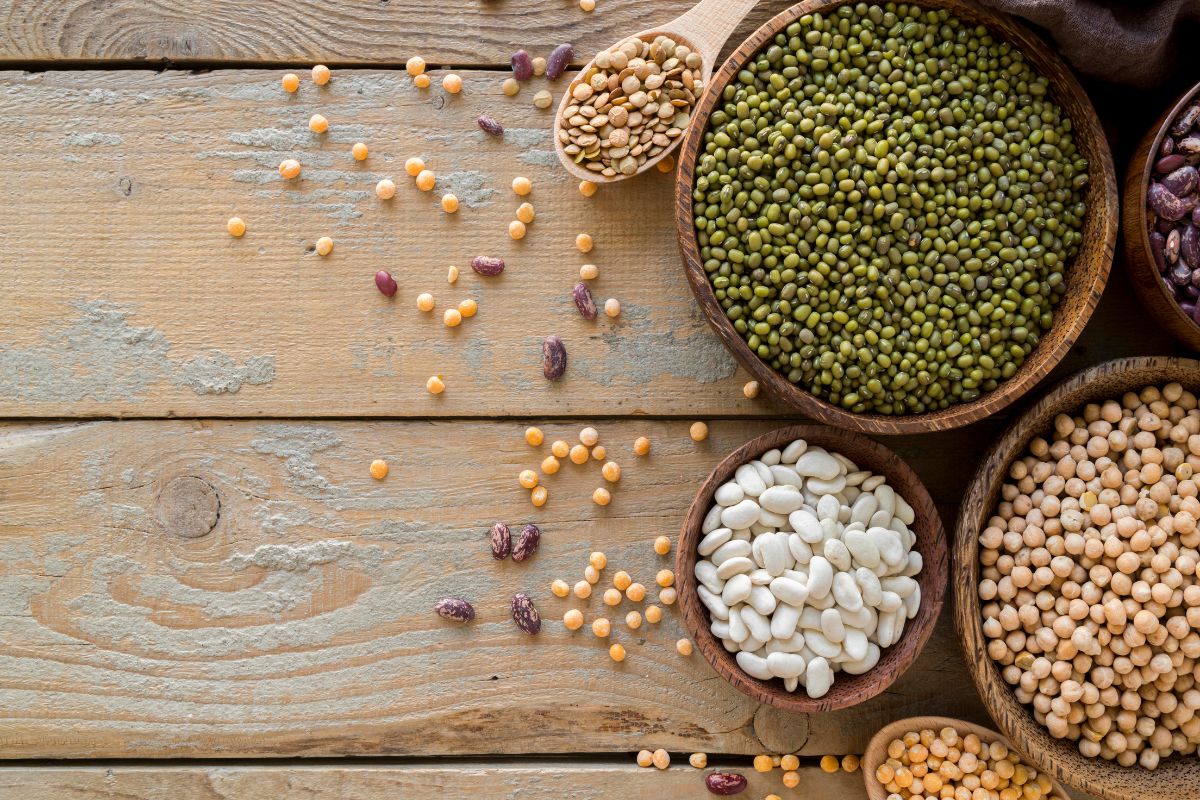
Legumes are incredibly nutrient-dense foods, scientifically proven to support metabolism, immunity, and heart health. Here's your active ingredient guide to making the most of them in your diet.
The biochemistry of legumes: much more than fiber and protein
Legumes (family Fabaceae) are not only delicious and versatile, but also chemically rich. Their bioactive compounds -especially polyphenols, flavonoids, tannins, and phytates - play a key role in regulating oxidative stress and inflammation. Red lentils, for example, are particularly high in phenolic compounds, which offer antimicrobial and anti-inflammatory effects at the cellular level, as demonstrated in a 2024 animal study.
Moreover, most legumes contain significant amounts of resistant starch and soluble fiber, which promote gut microbiome diversity and help regulate blood sugar levels. This is especially beneficial for those with insulin resistance or type 2 diabetes.
Which legume for what? – Active compounds and targeted health benefits
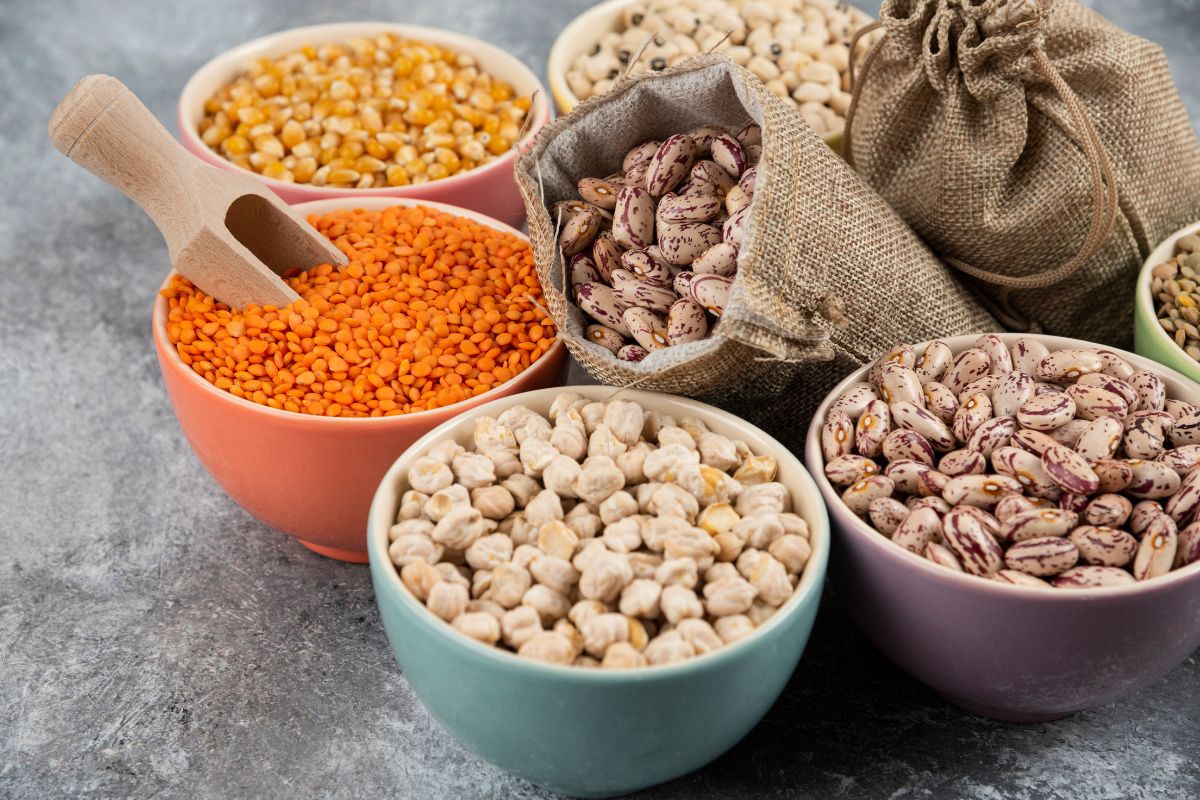
Each legume comes with a unique nutrient profile, allowing you to tailor their use to specific health goals. Here's a breakdown of the most notable types:
-
Lentils: Rich in polyphenols, flavonoids, and linoleic acid. Offer antioxidant, anti-inflammatory, and blood sugar–stabilizing effects (Hammam et al., 2024).
-
Chickpeas: High in iron, magnesium, and zinc. Soaking and cooking reduce anti-nutritional factors like phytates, lectins, and protease inhibitors.
-
Adzuki beans: Help lower blood lipid levels, protect the liver, and support weight management. They exert anti-inflammatory effects via reduced lipopolysaccharide (LPS) levels (Kobayashi et al., Nutrients, PMC8466346).
-
Red/dry kidney beans: High in folate, lysine, and potassium—excellent for cardiovascular support (Mitchell et al., Clin Diabetes, PMC4608274).
These compounds not only provide essential macro- and micronutrients but also qualify legumes as functional foods capable of influencing the body’s metabolic processes.
Seasonality, absorption, fermentability – Practical know-how for everyday use
While dried legumes are available year-round, it’s worth noting their seasonal nature, fresh variants like green beans or young chickpeas are typically harvested from spring to autumn. Nutrient bioavailability, however, greatly depends on how you prepare them:
-
Soaking: Reduces lectins, phytic acid, and oxalates.
-
Sprouting: Enhances protein content and enzyme activity.
-
Cooking: Breaks down anti-nutrients, improves digestibility.
Fermented legumes, such as tempeh or miso, offer even greater bioavailability and enhance gut flora diversity, which benefits immune, digestive, cardiovascular, and other systemic health. These methods are especially recommended for individuals with sensitive digestion.
The protein sources of the future – Health and sustainability on one plate
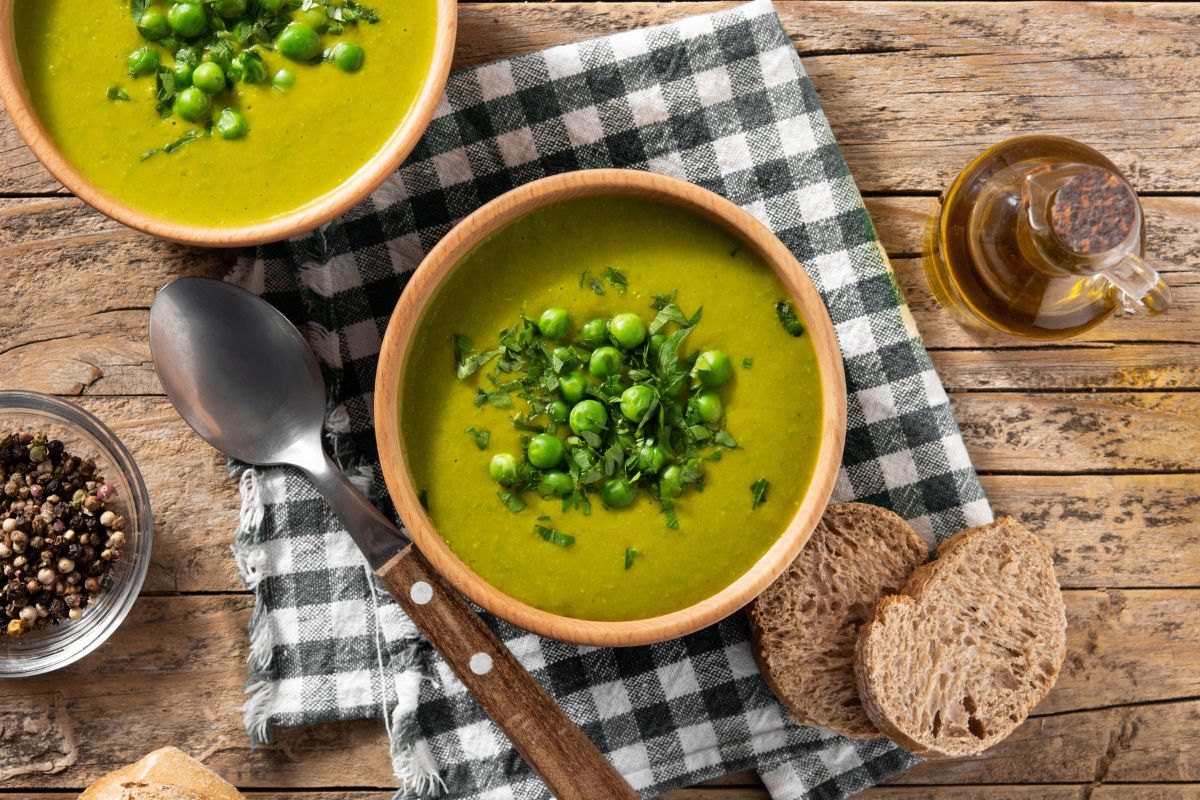
Legumes are not only healthy but also a more sustainable alternative to animal-based proteins. Global dietary guidelines increasingly emphasize the role of plant-based proteins in preventing chronic diseases, supporting microbiome health, and reducing cardiovascular risk factors.
According to a 2022 meta-analysis, regular legume consumption (at least 100 g/day) measurably lowers LDL cholesterol, systolic blood pressure, and several components of metabolic syndrome.
This is particularly relevant in our age of rising obesity and insulin resistance. Including legumes in your diet isn’t just an “alternative” - it’s a conscious, long-term strategy for safeguarding your health.
It’s worth considering them especially because, while annual legume consumption is steadily increasing across the EU, Hungary still lags behind. On average, Europeans eat about 3 kg of legumes per year, whereas in Hungary it’s only around 700 g. There’s plenty of room for improvement.
You’ll also find high-quality dried legumes in the Természetkosár selection. If you’re looking to nourish your body and microbiome consciously and sustainably, legumes are a solid everyday foundation.
More articles
- Rosehip and Health – a Versatile Herbal Remedy from Your Garden
- Cleansing Crystals: How to Preserve the Power of Your Stones
- Sprouts – Tiny Shoots, Great Power in the Diet
- Elderberry Benefits – Enjoying Nature’s Black Gem Safely
- Incense Guide: When Does Each Herb’s Fragrance Help?
- Disinfection naturally – summer protection after the beach