· Puszta Richárd
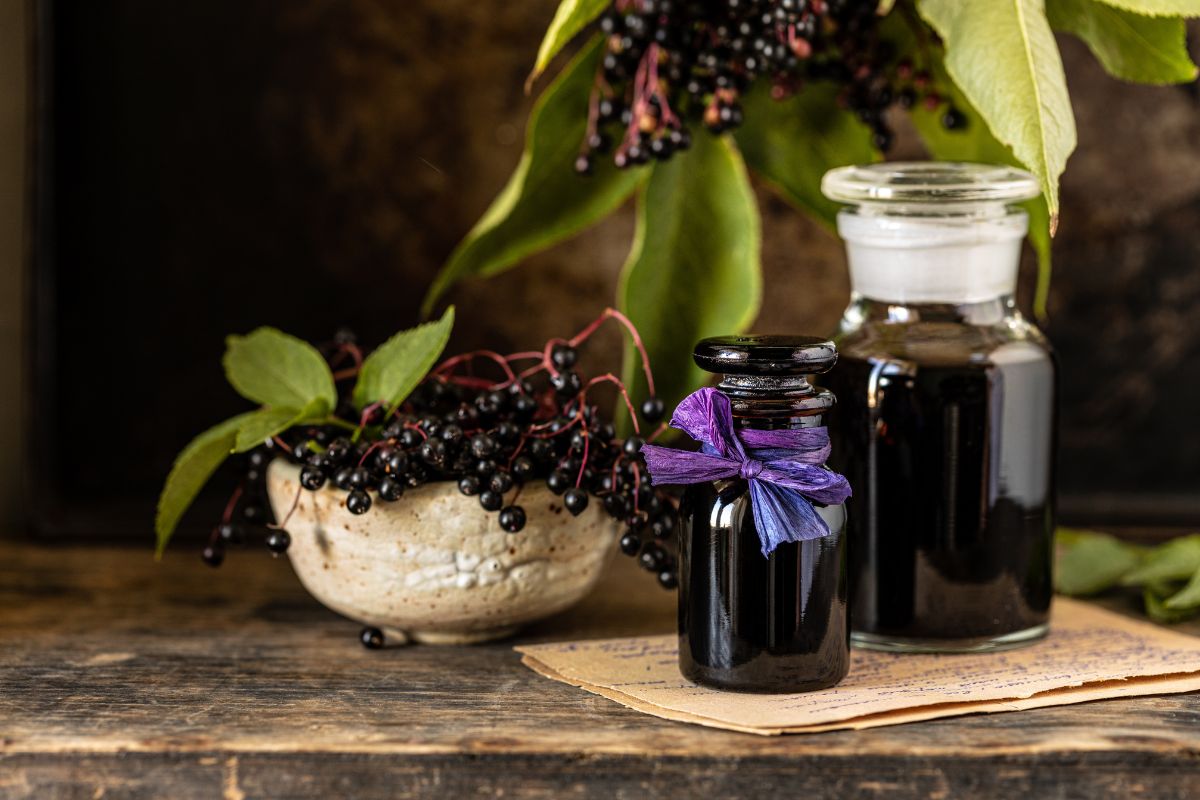
The elderberry’s benefits are wide-ranging: it is rich in antioxidants, supports the immune system, and has anti-inflammatory effects, but in its raw form it can be toxic. Here’s how to prepare it safely.
The hidden power – and danger – of black elderberry
Black elderberry (Sambucus nigra) has been part of natural medicine and the culinary arts for thousands of years. The elderberry’s benefits stem mainly from its high antioxidant, vitamin, and flavonoid content. This high concentration helps protect cells from damage caused by free radicals, strengthens the immune system, and supports the body’s natural regenerative processes. It can also improve circulation, reduce inflammation, and contribute to cardiovascular health.
However, we advise great caution with raw consumption. The berries and green parts of the plant – leaves and stems – contain cyanogenic glycosides, which in larger amounts can cause nausea, vomiting, and diarrhea, making them toxic. The risk is particularly high in unripe berries, so only fully ripe, dark-coloured fruit should be used for consumption.
There is one essential step to ensure safe preparation: heat treatment. Cooking destroys the toxic compounds, allowing the elderberry’s benefits to serve your health.
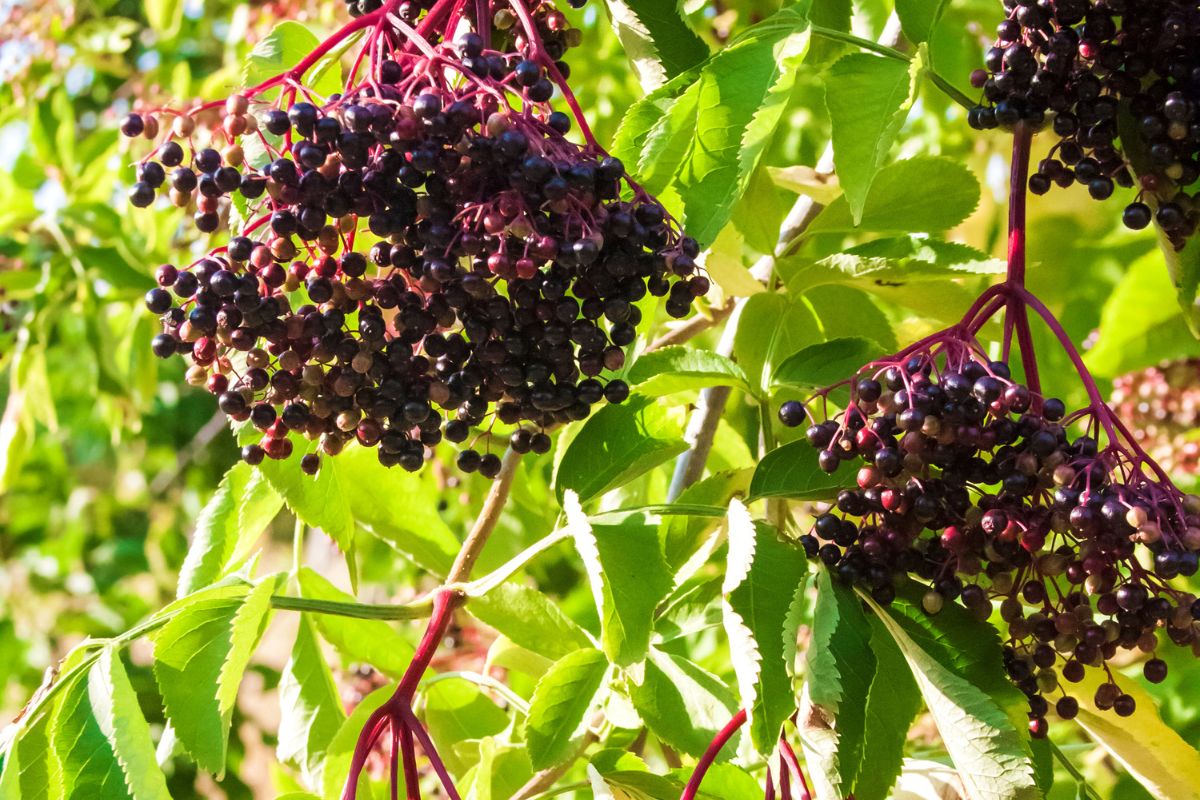
Elderberry benefits for the body
When properly prepared, elderberry’s benefits are extensive. Its high anthocyanin and flavonoid content provides a strong source of antioxidants, which help neutralise free radicals and protect cell health. Elderberry is rich in vitamin C, which supports the immune system and may help relieve upper respiratory infections. However, vitamin C is the most heat-sensitive component, meaning that, in practice, little of it remains after proper preparation. It is also unstable in aqueous solutions, breaking down within days to weeks.
Elderberry’s benefits are more reliable in the area of anti-inflammatory action: regular, safe consumption can help reduce chronic inflammation, supporting cardiovascular health. In addition, the fibre supports digestion, and the potassium content contributes to healthy heart function.
How to make elderberry safe to consume
Raw elderberries should be avoided, but with proper kitchen techniques they can be turned into safe and delicious treats. Some safe methods include:
- Boiling – Cooking for at least 10–15 minutes destroys the toxins.
- Jam, syrup, wine – Processing removes the harmful compounds while preserving the elderberry’s benefits.
- Removing green parts – Leaves, stems, and unripe berries must always be discarded.
Elderberry syrup recipe – a healthy treat
Elderberry syrup is popular and simple to make. Heat treatment removes toxins, though overconsumption can still cause digestive upset – and it’s tasty enough to make moderation difficult!
Ingredients:
- 1 kg ripe elderberries
- 1 litre water
- 500 g sugar
- Juice of 1 lemon
- 1 tsp cinnamon (optional)
Method:
Place the cleaned and thoroughly washed berries in a pot, cover with water, and simmer for 15 minutes. Strain, return the liquid to the pot, add the sugar, lemon juice, and spices to taste, and simmer for another 10 minutes. Pour into sterilised bottles, seal, and allow to cool in a warm blanket or “dry pasteurisation” setup.
This syrup makes a refreshing summer drink and can also support immunity during the colder months.
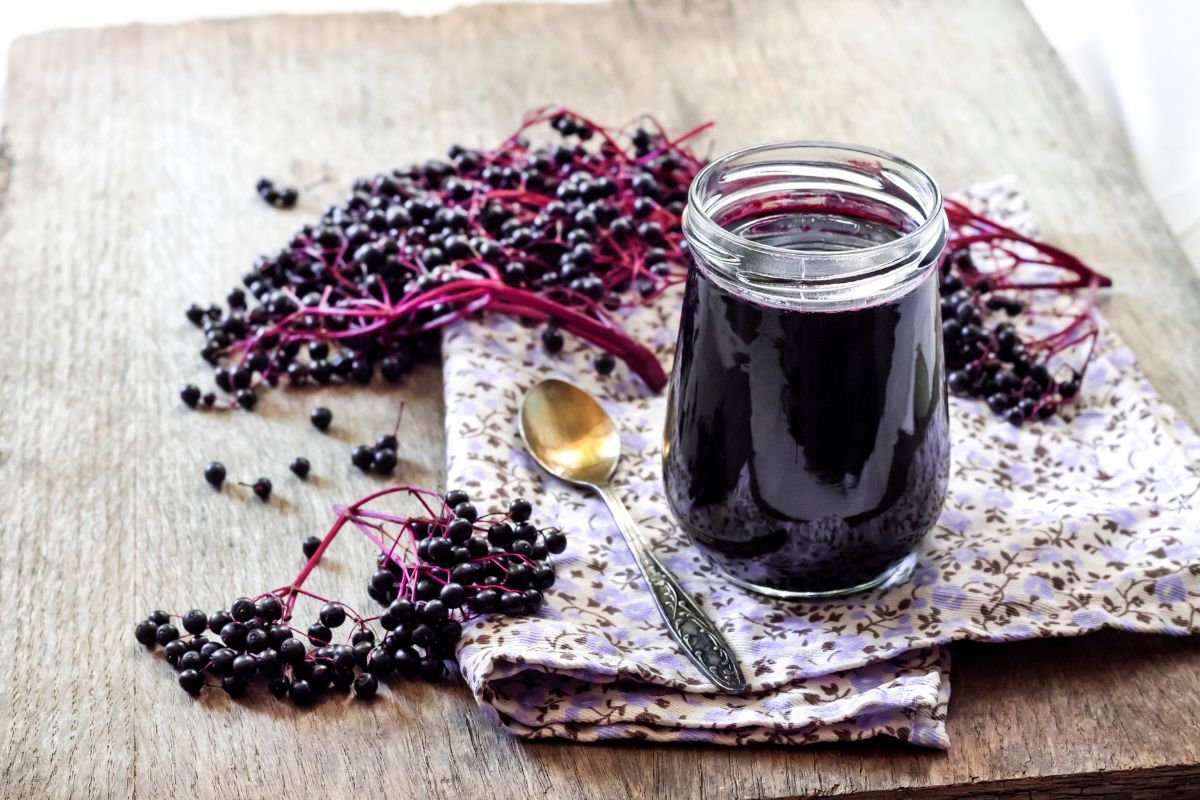
Elderberry benefits – only safe preparation makes it a health ally
Elderberry’s benefits can only truly serve your health if you follow the golden rules of preparation. Raw elderberries are toxic, but once cooked, they become a vitamin- and antioxidant-rich food that can boost immunity, reduce inflammation, and contribute to overall vitality. Nature’s black gem can thus be both a delightful culinary ingredient and a valuable herbal remedy.
More articles
- Rosehip and Health – a Versatile Herbal Remedy from Your Garden
- Cleansing Crystals: How to Preserve the Power of Your Stones
- Sprouts – Tiny Shoots, Great Power in the Diet
- Incense Guide: When Does Each Herb’s Fragrance Help?
- Disinfection naturally – summer protection after the beach
- Beans, peas, lentils – tiny miracles that shape your health from the inside out