· Puszta Richárd
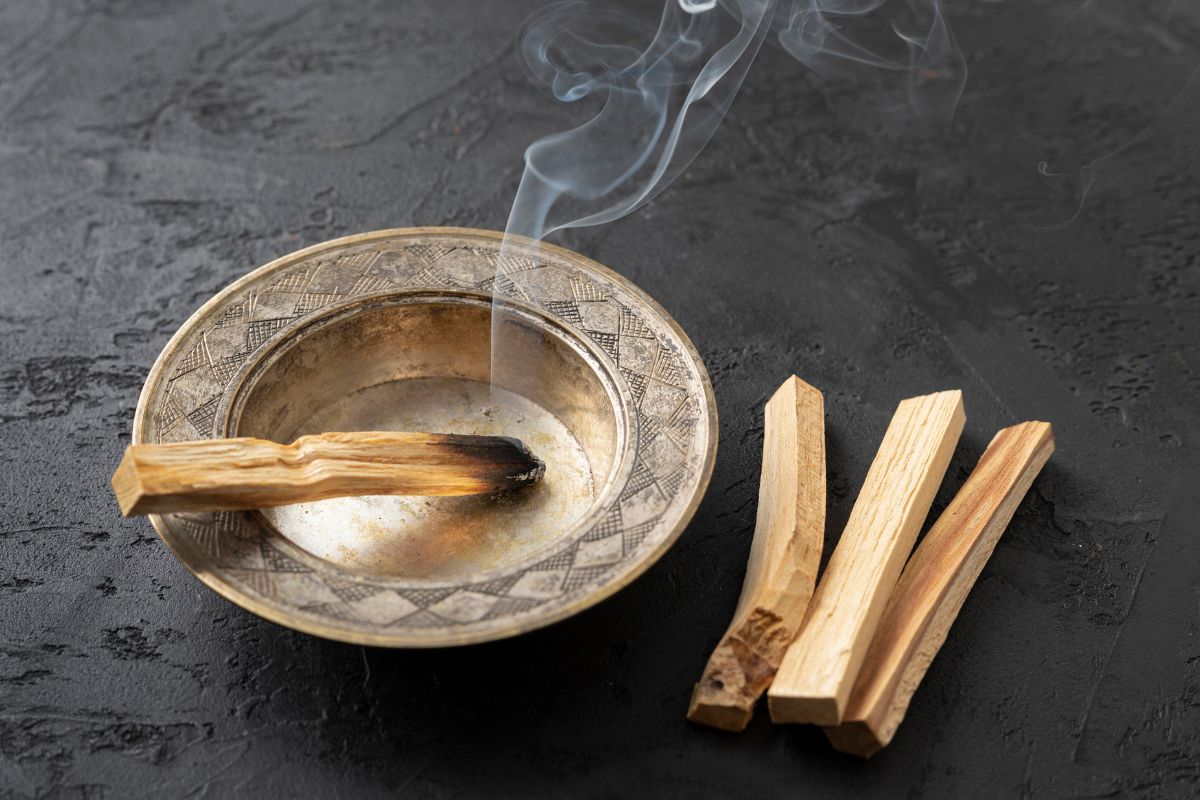
For centuries, the smoke of herbs has been used in healing and in arranging energetic spaces, and pleasant scents can also lift the mood. Let’s take a look at which plants are worth burning as incense, and what effects they bring to the space and the soul.
Incense in everyday life – why and how should we use it?
Incense has been present in various cultures’ rituals and home practices since ancient times. Native Americans still use smudge bundles today to combat respiratory illnesses. Whether for space cleansing, calming, spiritual deepening, or rituals of abundance and love, incense is used all over the world. And since it provides a pleasant fragrance as well, it’s worth including in the natural home pharmacy.
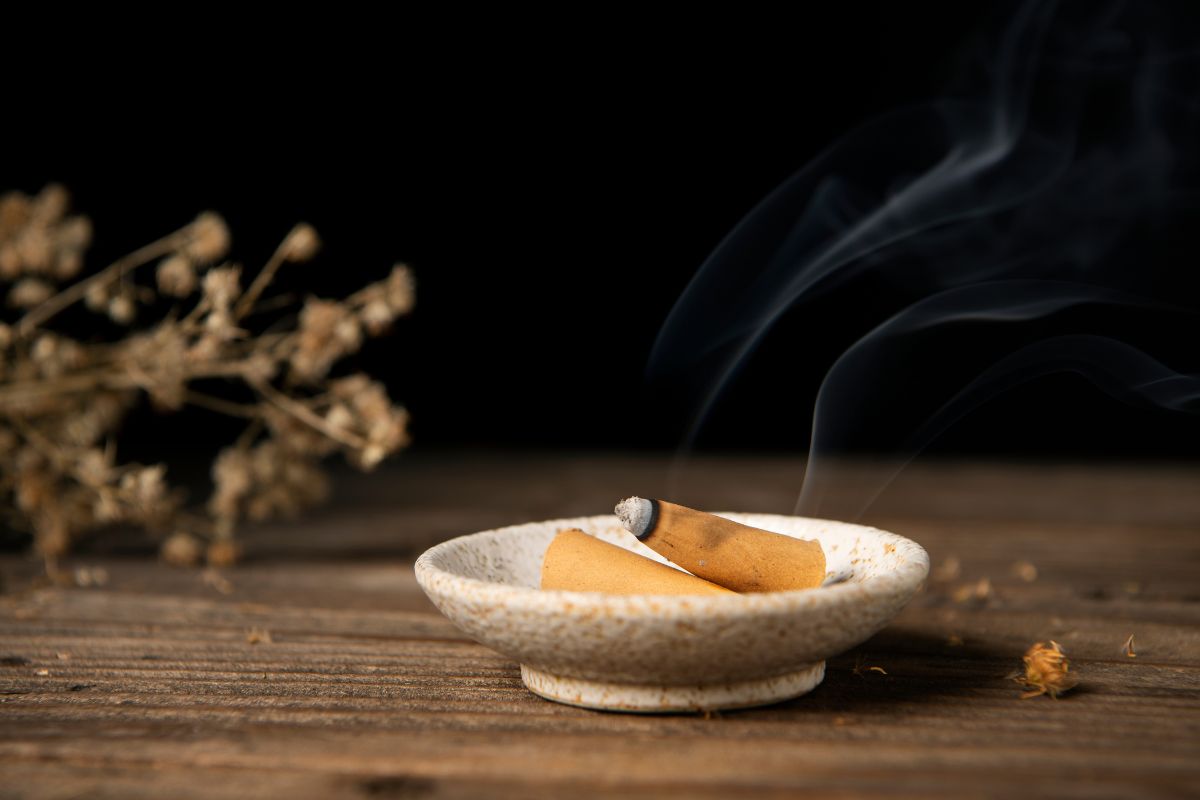
Nowadays incense comes in countless forms: sticks, cones, powders, ropes, or resins line store shelves. Sticks are simple and convenient, while resins and powders sprinkled on charcoal or incense grids release a softer, slower-spreading fragrance. Cones offer a unique visual with their downward-flowing smoke, and hanging ropes are equally captivating. Smudge bundles produce thick, dense smoke, making them ideal for large rooms or outdoor spaces.
What’s very important in using incense: the moment of lighting should always be guided by a clear intention. It’s worth consciously stating what we wish to release or invite in with the smoke, or simply focus on something positive. Tradition teaches that the flame should not be blown out; instead, let it extinguish on its own, or wave it with your hand or by gently shaking the incense, so the smoke can flow freely. Blowing out a candle flame or incense is considered, in a spiritual sense, disrespectful toward the spirit world and the ancestors.
Incense for purification and protection
One of incense’s oldest functions is cleansing. The most well-known cleansing herb is white sage, considered sacred in Native American traditions, powerfully clearing both space and aura. Because of overharvesting, we recommend using common sage, which has almost the same effect and can easily be grown locally, making powerful cleansing always accessible. Rosemary, sometimes called “the poor man’s boswellia,” is also a strong purifier and protector, and is readily available from local sources.
Palo santo, with its sweet and spicy aroma, spread mainly through South American healers’ traditions and is used for both cleansing spaces and strengthening the soul. Cedar, with its warm, balsamic scent, represents feminine energy and is often burned together with white sage to balance masculine and feminine qualities.
Also belonging to the realm of protection is dragon’s blood resin, believed to hold magical power. Its reddish color evokes strength, courage, and readiness for action. It is often used in blends to soften its intensity.
Incense for healing the heart and soul
Many incenses support moods and emotions. Jasmine’s sensual fragrance fosters trust and love, while rose brings gentleness and a loving atmosphere, especially useful after a heated argument, harmonizing the space beautifully. Patchouli’s balsamic, earthy aroma grounds the spirit while enhancing sensuality.
The classic Indian nag champa, a blend of sandalwood and champa (frangipani) flower, creates inner peace and a meditative atmosphere, perfect to keep at home for moments of quiet. Sandalwood strongly balances energies and helps shift from a self-centered perspective.
Other incense that strengthen the soul and open the heart include:
- Tulsi (holy basil): cleansing and protective.
- Lily: spiritually powerful, supports healing of past wounds.
- Cinnamon: warming, luck-bringing, and heart-opening.
- Copal resin: brings clarity and protection, used in sacred rituals.
There are many varieties of copal resin. In South America it was once called the “food of the gods” and used for pain relief and ritual deepening. Today it is mostly burned for its sweet fragrance, but it is also widely used in cleansing, protection, magic, and healing.
Incense on the path of spirituality and elevation
Special incense accompanies spiritual experiences. Oud, or agarwood, the source of the world’s most expensive essential oil, has a deep, balsamic fragrance that both grounds and uplifts, helping one find inner balance. Its smoke is said to support initiations. In the Arab world it is still blended with rose for important events.
Frankincense, a timeless companion of religious ceremonies, with its citrusy, airy fragrance, opens space for prayer and meditation. Several types of frankincense exist, and many resins are used in perfumery, but the most well-known and most frequently used in incense blends is Boswellia sacra.
Golden vetiver, with its spicy aroma, brings sensuality while strongly grounding the spirit. In spiritual terms, grounding is essential, connection with higher energies can only be stable if rooted in a solid foundation. Vetiver incense is particularly recommended for those who tend to lose themselves in the “palace of the mind,” focusing only on higher chakras while neglecting earthly grounding.
Incense as sacred practice, not a pastime
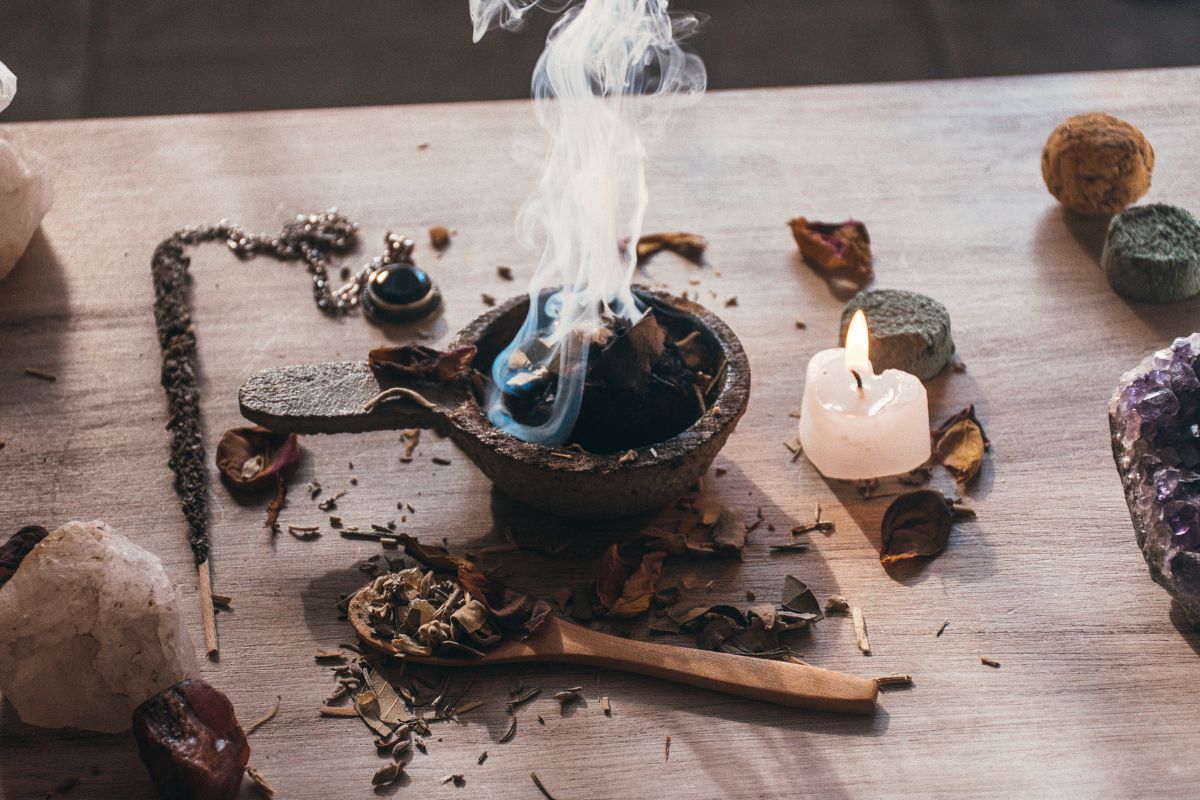
Choosing incense can be guided by fragrance profiles, but even more meaningful experiences come from considering their energetic effects. They can dissolve stagnation, ease insomnia, and purify not only spaces but also our own energy if we let the smoke flow from head to toe. Smoke can also be offered for something: a bountiful harvest, rain, health, or even for the benefit of all beings. So the world may become a slightly better place, scented with fragrance.
It is important to be mindful: some plants are threatened due to overharvesting, or may come from unethical sources, especially frankincense and sandalwood. As the saying goes, we don’t need caviar every day, likewise, incense should also have its proper time and place. Trust the support of healing herbs, but accept that we don’t always need them.
More articles
- Rosehip and Health – a Versatile Herbal Remedy from Your Garden
- Cleansing Crystals: How to Preserve the Power of Your Stones
- Sprouts – Tiny Shoots, Great Power in the Diet
- Elderberry Benefits – Enjoying Nature’s Black Gem Safely
- Disinfection naturally – summer protection after the beach
- Beans, peas, lentils – tiny miracles that shape your health from the inside out